Aquassi Ltd | Aquarium Health, Fish Welfare & Maintenance
Introduction
Maintaining good fish health is one of the most important responsibilities of owning a freshwater community aquarium. A successful community aquarium is not simply about creating an attractive underwater display; it is about providing a stable, healthy and suitable environment in which different species of tropical freshwater fish can live together comfortably.
At Aquassi Ltd, we recognise that fish welfare, water quality, aquarium maintenance and responsible fishkeeping are essential to maintaining a thriving aquatic environment.
This case study explores the health and wellbeing of freshwater community aquarium fish, highlighting common health concerns, water quality management, disease prevention, feeding practices and the importance of regular aquarium maintenance.
1. Understanding the Community Aquarium
A community aquarium contains different species of freshwater fish that can coexist peacefully when their environmental requirements and temperaments are compatible.
Typical community aquarium inhabitants may include:
- Neon Tetras – Peaceful shoaling fish that benefit from being kept in groups.
- Guppies – Active, colourful livebearers that prefer stable water conditions.
- Platies – Hardy and generally peaceful tropical freshwater fish.
- Corydoras Catfish – Bottom-dwelling fish that benefit from groups of their own species.
- Harlequin Rasboras – Peaceful shoaling fish suitable for many community setups.
- Honey Gouramis – Generally peaceful fish that can add interest to a planted aquarium.
Selecting compatible fish is essential. Aquarium owners must consider adult fish size, temperament, swimming requirements, temperature preferences and water chemistry before introducing new species.
2. Identifying Signs of Healthy Fish

Healthy freshwater fish usually display several noticeable characteristics.
Signs of good fish health include:
- Bright, natural colouring.
- Clear eyes without cloudiness.
- Intact fins without splitting or deterioration.
- Normal swimming behaviour.
- Regular feeding responses.
- No visible white spots, growths or unusual patches.
- Normal breathing and gill movement.
- Appropriate interaction with other fish.
Observing fish daily allows aquarium owners to recognise changes in behaviour before health problems become more serious.
A fish that suddenly hides, refuses food, swims erratically or remains near the water surface may be experiencing stress or an underlying health problem.
3. Water Quality and Fish Health
Water quality is one of the most important factors influencing freshwater fish health.
Even an aquarium that looks clean can contain harmful substances that cannot be detected by sight alone.
The nitrogen cycle is particularly important. Fish waste, uneaten food and decomposing organic material produce ammonia, which beneficial bacteria convert into nitrite and subsequently nitrate.
Ammonia and nitrite are toxic to fish and should remain undetectable in an established, healthy aquarium.
Recommended water quality targets for a typical tropical community aquarium:
| Water parameter | General target |
|---|---|
| Ammonia | 0 mg/L |
| Nitrite | 0 mg/L |
| Nitrate | Ideally below 20–40 mg/L |
| pH | Species-dependent, often 6.5–7.5 |
| Temperature | Often 24–26°C |
| Chlorine | 0 mg/L |
These are general guidelines rather than universal requirements. Individual fish species may need different conditions, and stability is often more important than chasing a particular pH reading.
Regular water testing helps identify potential problems before they affect fish health.
4. Common Freshwater Fish Health Problems
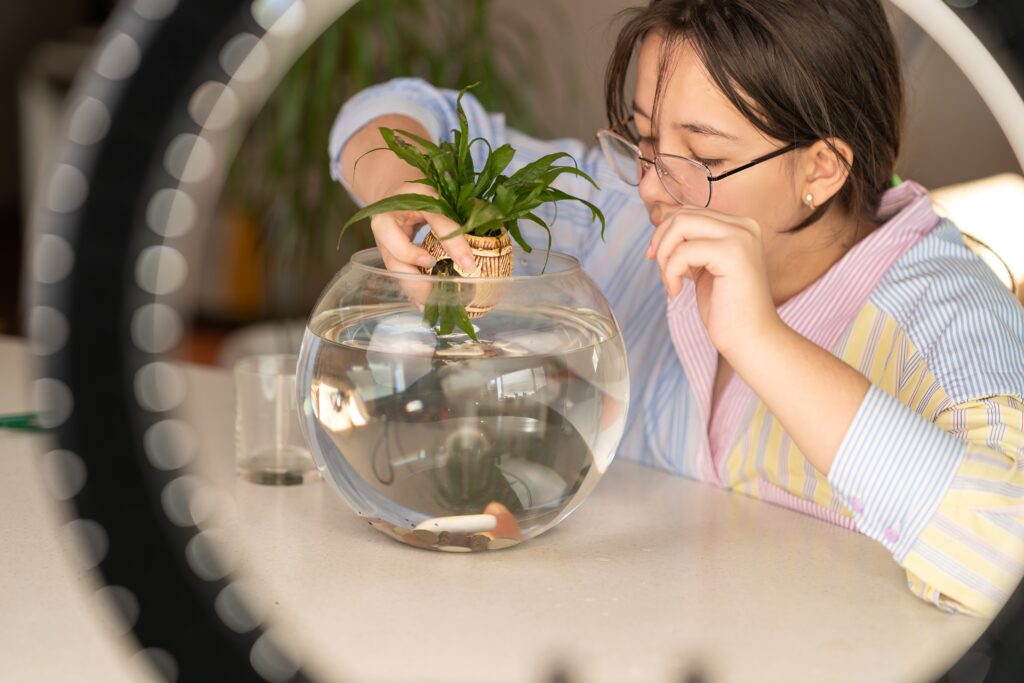
Community aquarium fish can experience a variety of health problems. Some are caused by parasites, bacteria or fungi, while others are associated with poor water quality, stress or unsuitable aquarium conditions.
White Spot Disease (Ich)
White spot disease is a common parasitic condition that causes small white spots resembling grains of salt across the body and fins.
Affected fish may rub themselves against aquarium decorations, breathe rapidly or become less active.
Fin Rot
Fin rot can cause the edges of fins to deteriorate, become ragged or develop discolouration. It is often associated with underlying stress, injury or poor environmental conditions.
Fungal Infections
Fungal infections may appear as white or grey cotton-like growths on the skin, mouth or fins. Damaged tissue and poor water conditions can increase susceptibility.
External Parasites
Parasites can cause irritation, flashing, abnormal swimming and breathing difficulties. Careful observation and appropriate diagnosis are important before selecting treatment.
Swim Bladder Problems
Fish experiencing buoyancy difficulties may float uncontrollably, struggle to remain upright or spend extended periods resting.
These symptoms can have several causes, including constipation, infection or internal health problems, so they should not automatically be attributed to swim bladder disease.
5. Preventing Disease in a Community Aquarium
Prevention is considerably better than allowing health problems to develop.
At Aquassi Ltd, we recommend a structured aquarium care routine that focuses on maintaining consistent conditions and reducing unnecessary stress.
Important preventative measures include:
- Quarantine new fish before introducing them into an established aquarium.
- Purchase fish from reputable suppliers.
- Avoid overcrowding the aquarium.
- Maintain suitable filtration and water circulation.
- Carry out regular partial water changes.
- Remove uneaten food and accumulated waste.
- Avoid sudden temperature and water chemistry changes.
- Feed a varied and appropriate diet.
- Monitor fish behaviour and appearance daily.
- Test aquarium water regularly.
New fish should ideally be quarantined in a separate, properly equipped aquarium, with the quarantine period determined by the species and any health concerns.
6. Feeding and Nutrition
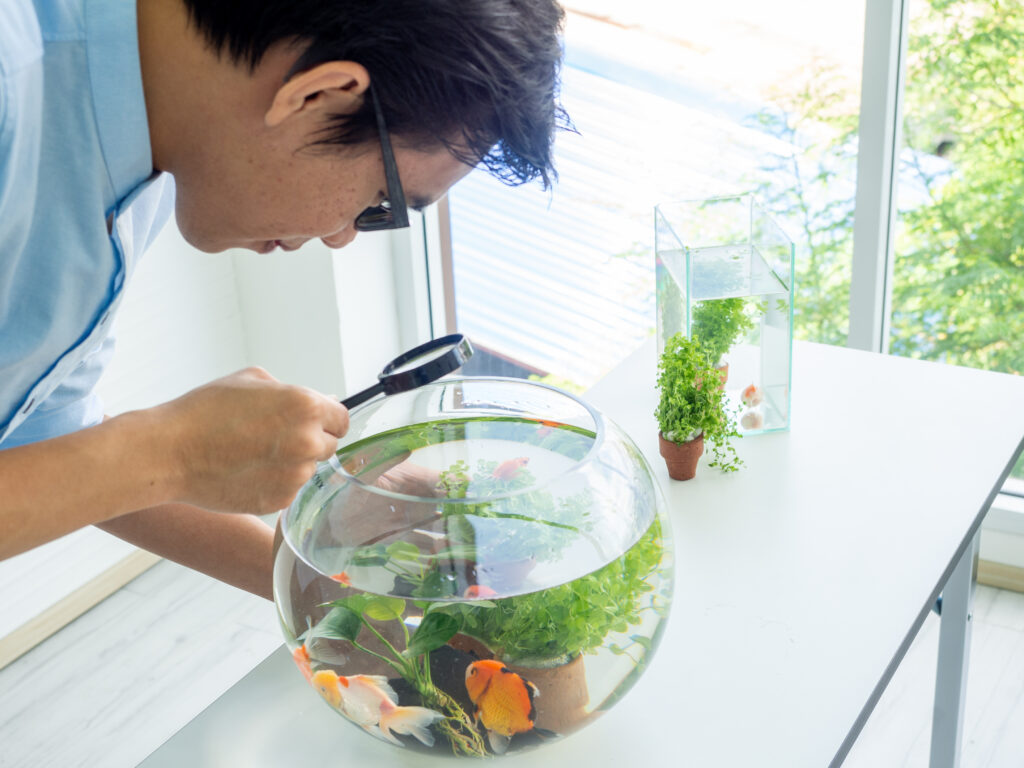
Nutrition plays a significant role in maintaining healthy freshwater fish.
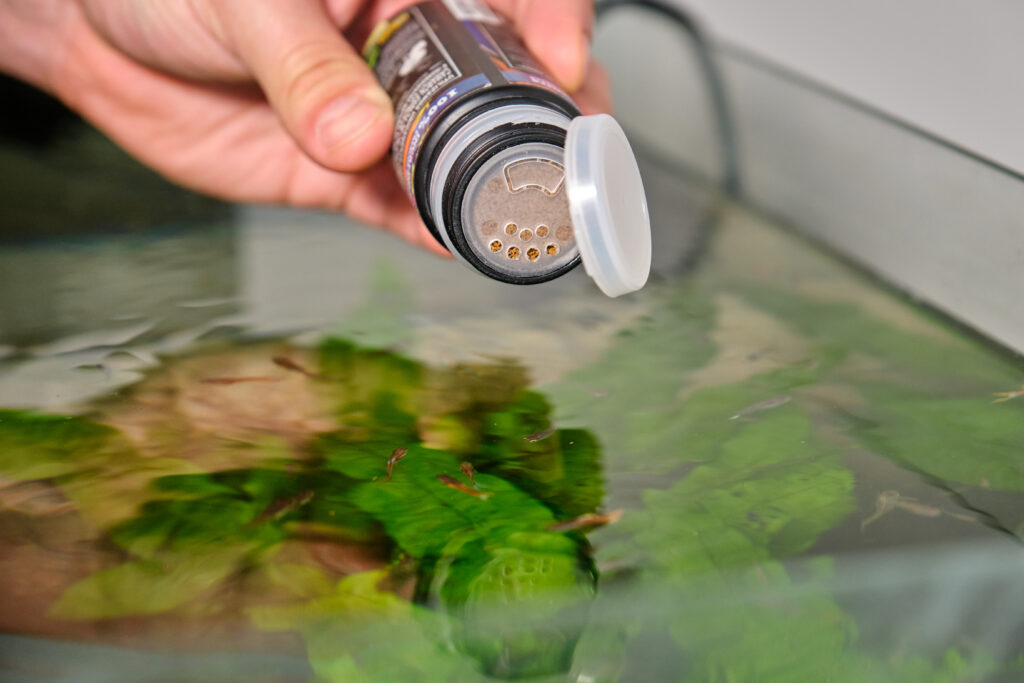
Different species have different dietary requirements. Some are omnivorous, others are predominantly herbivorous or carnivorous, and bottom-dwelling fish may require specially formulated sinking foods.
A balanced feeding routine may include:
- High-quality tropical fish flakes.
- Nutritionally balanced micro pellets.
- Suitable sinking wafers for bottom-dwelling species.
- Frozen or appropriately prepared foods.
- Occasional suitable vegetable-based foods for species that require them.
Food should be provided in appropriate quantities, avoiding overfeeding.
Excess food can decompose, increasing organic waste and potentially contributing to deteriorating water quality.
7. Filtration, Cleaning and Aquarium Maintenance
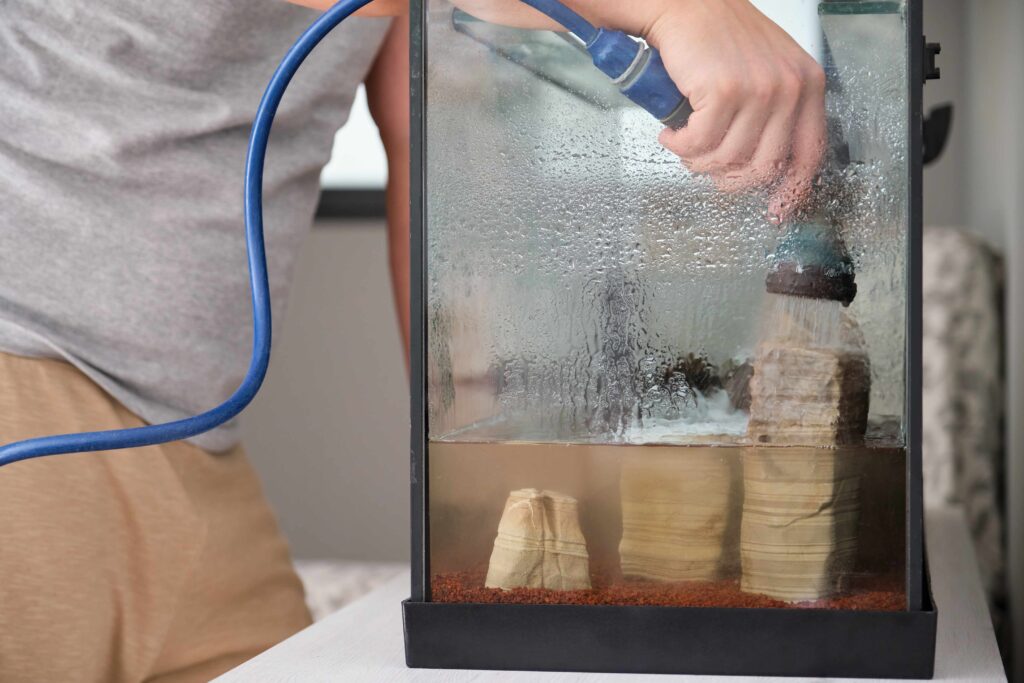
A reliable filtration system is essential for maintaining a healthy community aquarium.
Mechanical filtration removes suspended debris, biological filtration provides a surface for beneficial bacteria, and chemical filtration can help remove certain dissolved substances when required.
A regular maintenance programme should include:
- Checking filter operation and water flow.
- Cleaning aquarium glass.
- Removing dead leaves and decaying plant material.
- Vacuuming accumulated substrate waste where appropriate.
- Testing water parameters.
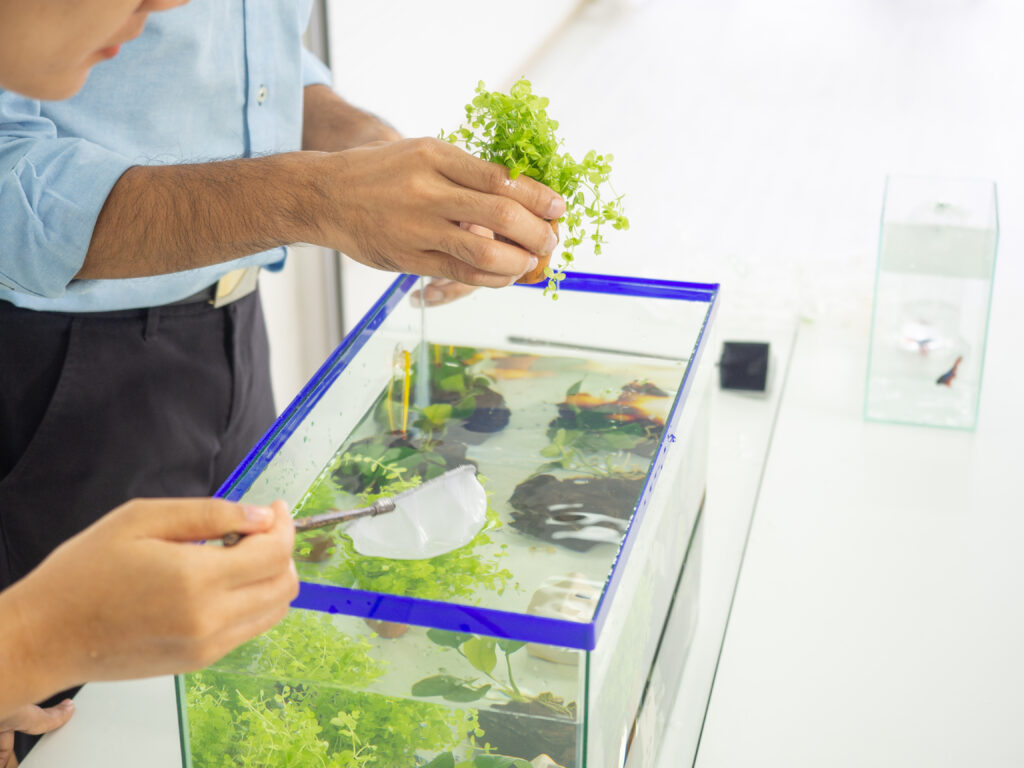
- Performing partial water changes using suitably conditioned water.
- Inspecting fish for signs of illness or injury.
Filter media should be maintained carefully. Biological media should not be washed under untreated tap water, and replacing all filter media simultaneously can disrupt beneficial bacteria populations.
8. Case Study: Maintaining a Healthy Tropical Community Aquarium
Project overview
This illustrative case study demonstrates how a community freshwater aquarium can be managed to support fish health and long-term stability.
The aquarium contains a selection of peaceful tropical freshwater species, supported by live aquatic plants, suitable filtration and a consistent maintenance programme.
Initial assessment
The aquarium was assessed for stocking compatibility, fish behaviour, filtration performance and general water quality.
The main objectives were to maintain stable water parameters, reduce stress and establish a consistent routine for monitoring fish health.
Maintenance programme
A structured programme was introduced, including regular water testing, partial water changes, substrate cleaning and filter inspections.
Fish were observed daily to identify changes in appetite, colouration, swimming patterns and social behaviour.
Health management
Particular attention was given to preventing disease introduction, maintaining suitable feeding routines and avoiding overcrowding.
Any fish displaying unusual symptoms would be assessed separately, with appropriate isolation and veterinary or specialist advice where necessary.
Expected outcomes
With consistent maintenance and suitable stocking, the aquarium should benefit from:
- Improved environmental stability.
- Reduced exposure to harmful waste compounds.
- Healthier fish behaviour.
- Better feeding responses.
- Reduced unnecessary stress.
- A more attractive and balanced community aquarium.
Note: This is an illustrative management case study, not a report of measured results from a specific customer installation.
9. The Importance of Regular Fish Health Checks
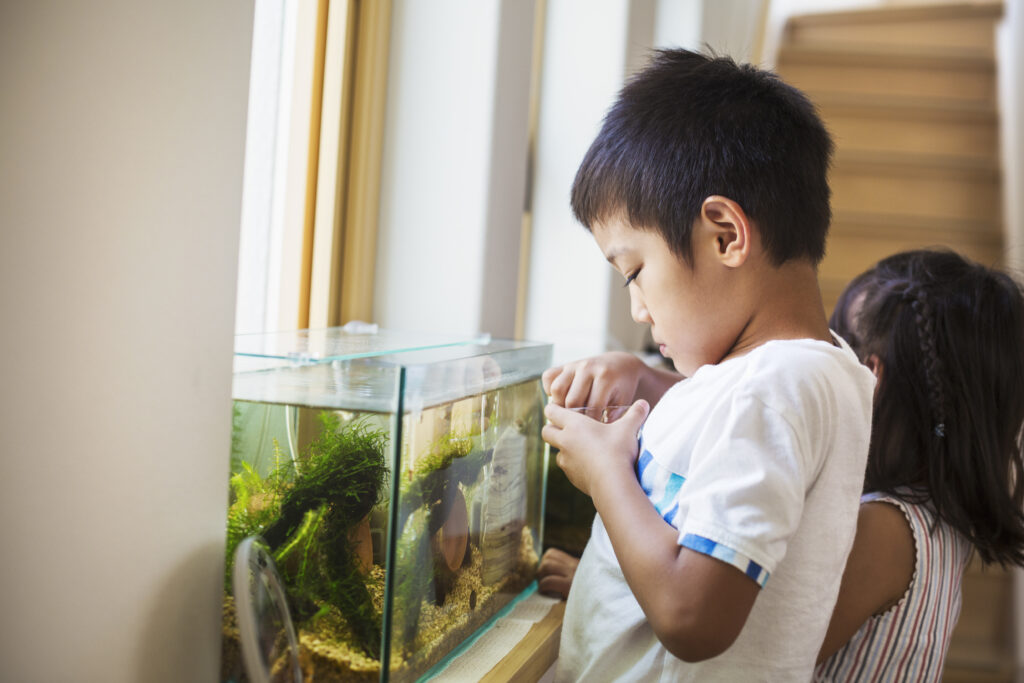
Fish health checks should form part of every aquarium maintenance visit.
An aquarium can appear perfectly healthy while individual fish are experiencing early symptoms of illness.
Regular observations should include:
- Checking for unusual swimming patterns.
- Looking for damaged or deteriorating fins.
- Inspecting skin and scales.
- Monitoring appetite.
- Checking breathing rates.
- Observing interactions between different species.
- Looking for signs of aggression or bullying.
If fish show signs of serious illness, rapid breathing, unexplained deaths or persistent abnormal behaviour, water quality should be checked immediately and appropriate aquatic veterinary advice sought.
10. Aquassi Ltd – Supporting Healthy Aquariums
At Aquassi Ltd, we believe that a successful aquarium combines beautiful aquascaping with responsible fishkeeping and effective aquarium management.
Whether you are establishing your first tropical community aquarium or maintaining an established planted aquarium, understanding fish health is essential.
Our approach focuses on creating attractive aquatic environments while recognising the importance of water quality, filtration, suitable stocking, nutrition and preventative maintenance.
We believe that healthy fish are the foundation of a successful aquarium.
Conclusion
Maintaining fish health in a freshwater community aquarium requires knowledge, consistency and attention to detail.
From monitoring water parameters and selecting compatible fish to recognising disease symptoms and maintaining effective filtration, every aspect of aquarium management contributes to fish welfare.
A well-maintained aquarium can provide a thriving environment for tropical freshwater fish while creating a beautiful centrepiece for any home or business.
Aquassi Ltd – Creating Beautiful Aquariums. Supporting Healthy Aquatic Life.
Visit our website to discover our aquascaping services, aquarium products, fishkeeping guides and professional aquarium solutions.
www.aquassi.co.uk
info@aquassi.co.uk
