Aquassi Ltd | Professional Aquarium Care, Water Management & Maintenance
Introduction
Maintaining excellent aquarium water quality is one of the most important aspects of successful fishkeeping. Although an aquarium may look clean and healthy on the outside, the water can contain invisible pollutants that negatively affect fish, aquatic plants and beneficial bacteria.
At Aquassi Ltd, we understand that maintaining a healthy aquarium involves much more than simply cleaning the glass and topping up the water. Effective aquarium maintenance requires regular water testing, biological filtration, waste management, appropriate water changes and careful monitoring.
This case study explores how a structured aquarium water management and maintenance programme can help create a stable, clean and healthy freshwater aquarium environment.
1. Initial Aquarium Assessment
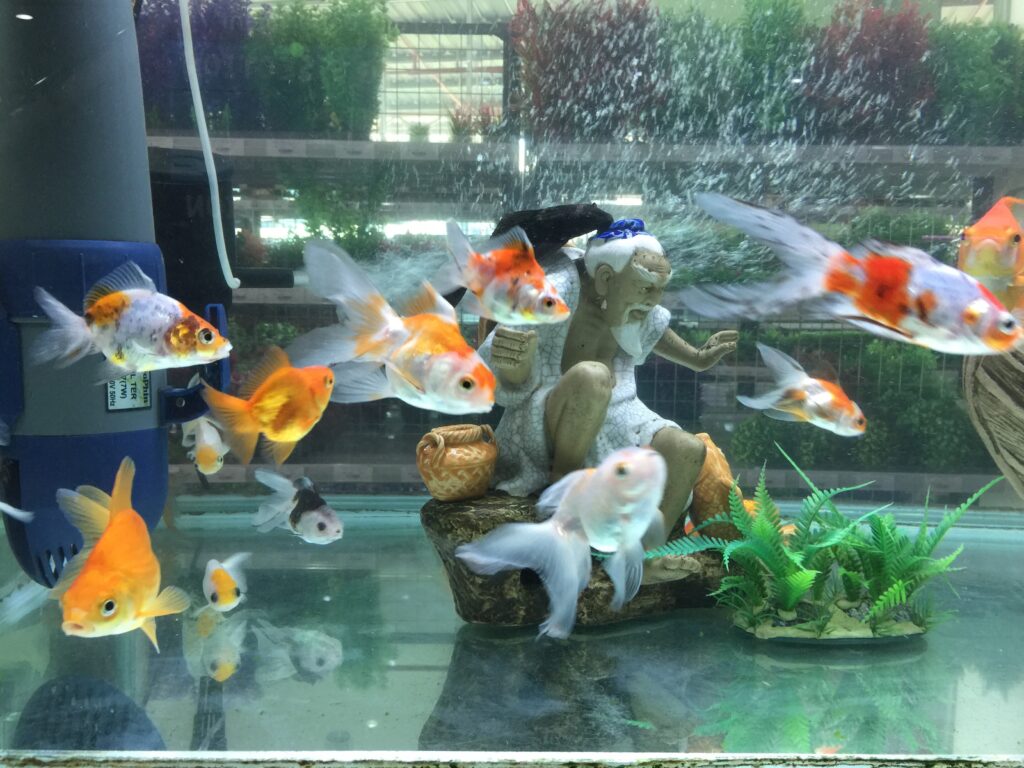
The first stage of aquarium maintenance is assessing the overall condition of the aquarium.
An initial inspection should consider:
- Overall water clarity and appearance.
- Aquarium temperature and stability.
- Fish health and behaviour.
- Water chemistry and quality.
- Filter performance and circulation.
- Substrate condition and waste accumulation.
- Aquatic plant health.
- Algae growth.
- Stocking levels and feeding routines.
A visual inspection alone cannot establish whether water quality is suitable. Water testing is essential to identify potential problems before they affect aquatic life.
2. Aquarium Water Testing

Water testing is a fundamental part of responsible aquarium management.
Several water parameters should be monitored regularly to ensure that the aquarium remains suitable for its inhabitants.
| Water parameter | Recommended general target |
|---|---|
| Ammonia | 0 mg/L |
| Nitrite | 0 mg/L |
| Nitrate | Ideally below 20–40 mg/L |
| pH | Dependent on fish species |
| Temperature | Usually 24–26°C for tropical community fish |
| Chlorine | 0 mg/L |
| KH | Suitable and stable for the aquarium |
| GH | Appropriate for the fish and plants |
These are general guidelines, not universal targets. Different freshwater species and planted aquarium systems can require different conditions.
Why water testing matters
- Detects harmful ammonia and nitrite.
- Identifies increasing nitrate levels.
- Helps monitor pH stability.
- Identifies potential water source problems.
- Supports informed maintenance decisions.
- Helps prevent unnecessary stress to fish.
Regular records of test results can also reveal gradual changes that might otherwise go unnoticed.
3. Water Changes and Water Replacement
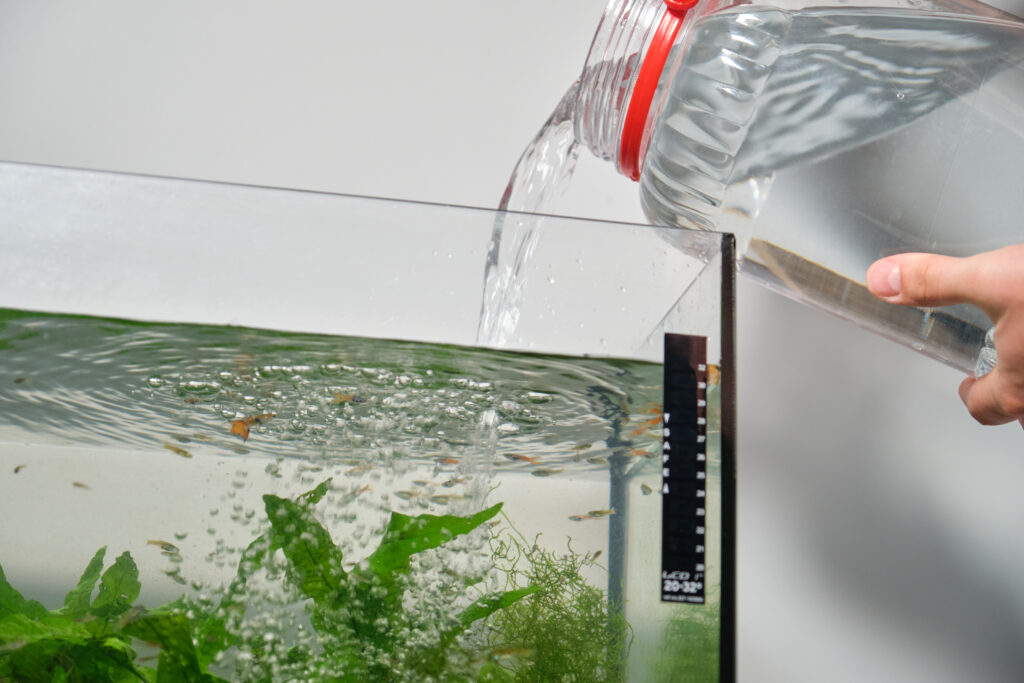
Partial water changes are an essential part of maintaining freshwater aquariums.
Over time, dissolved waste products, nitrate and other substances can accumulate. Water changes help dilute these compounds and replenish minerals and other elements, depending on the replacement water.
A typical maintenance routine may involve replacing approximately 20–30% of the aquarium water weekly, although the correct frequency and volume depend on stocking levels, feeding, filtration, plant growth and test results.
Our recommended water-change procedure:
- Check the aquarium temperature and water parameters.
- Prepare replacement water in a clean, suitable container.
- Treat tap water with an appropriate water conditioner where required.
- Ensure replacement water is at a suitable temperature.
- Carefully remove aquarium water using a siphon.
- Remove accessible debris from the substrate.
- Refill the aquarium slowly.
- Check equipment and filtration.
- Observe fish following the maintenance procedure.
Sudden changes in temperature, pH or mineral content should be avoided.
4. Filtration and the Nitrogen Cycle
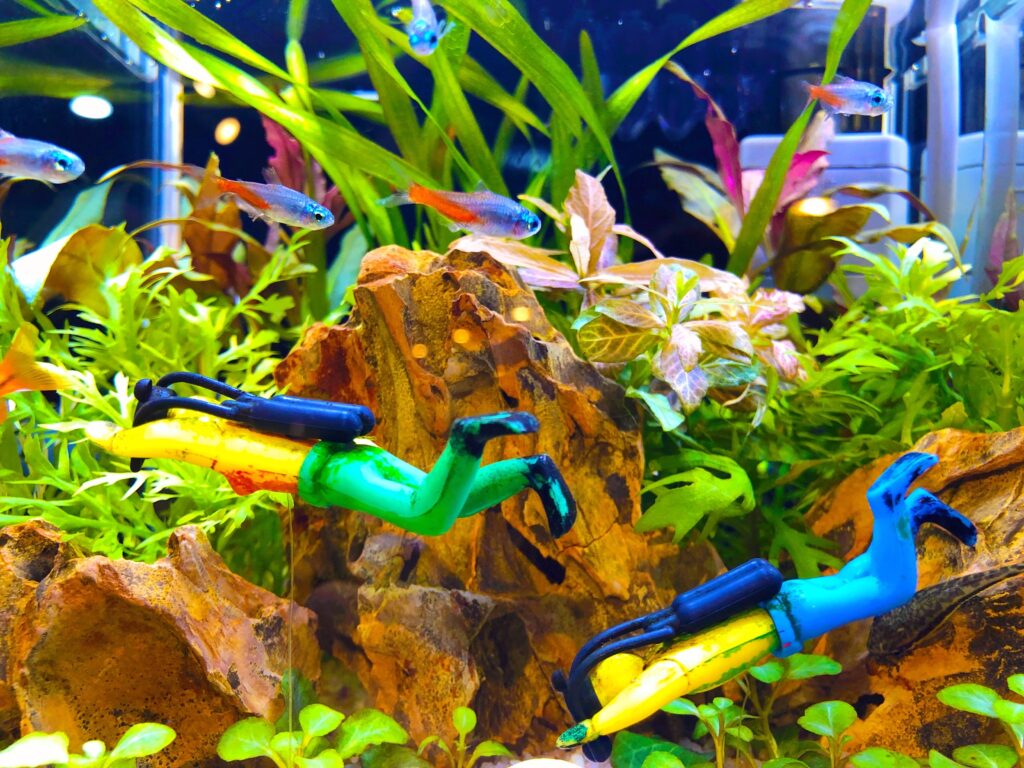
Filtration is one of the most important components of a healthy aquarium.
A properly established biological filter contains beneficial bacteria that help process harmful waste produced by fish, uneaten food and decomposing organic matter.
The nitrogen cycle works through three main stages:
Stage 1
Ammonia (NH₃/NH₄⁺)
Produced by fish waste, uneaten food and decomposing material.
Stage 2
Nitrite (NO₂⁻)
Produced when beneficial bacteria process ammonia.
Stage 3
Nitrate (NO₃⁻)
Produced when another group of beneficial bacteria process nitrite.
Managed through plant uptake, water changes and appropriate aquarium maintenance.
Filter maintenance should be carried out carefully to protect beneficial bacteria.
Biological filter media should not be unnecessarily replaced or washed in untreated chlorinated tap water. Mechanical media can be cleaned when clogged, using removed aquarium water or suitably dechlorinated water where appropriate.
5. Substrate Cleaning and Waste Removal
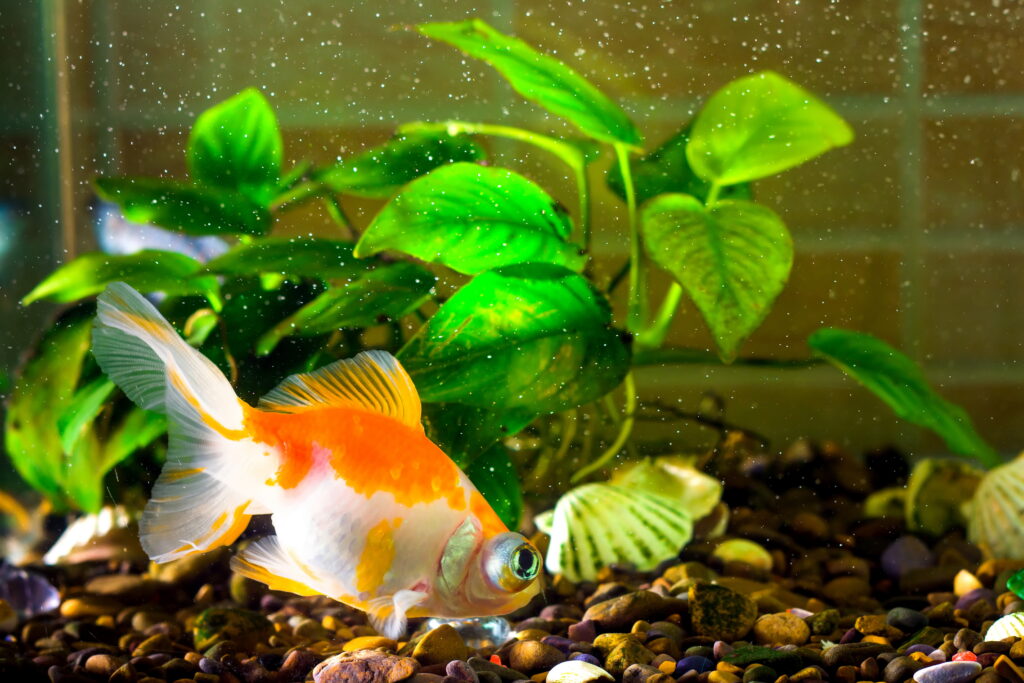
Substrate can collect fish waste, uneaten food, decaying leaves and other organic material.
If accumulated waste is left unmanaged, it can contribute to deteriorating water quality.
A suitable substrate cleaning routine includes:
- Removing visible debris.
- Vacuuming accessible areas.
- Avoiding unnecessary disturbance to plant roots.
- Cleaning areas around aquarium decorations.
- Removing dead plant leaves.
- Checking for trapped organic material.
In heavily planted aquariums, substrate cleaning should be selective to avoid disturbing established root systems and beneficial microorganisms.
6. Algae Control and Aquarium Clarity
Master Algae Control: Guide for Crystal Clear Aquariums!
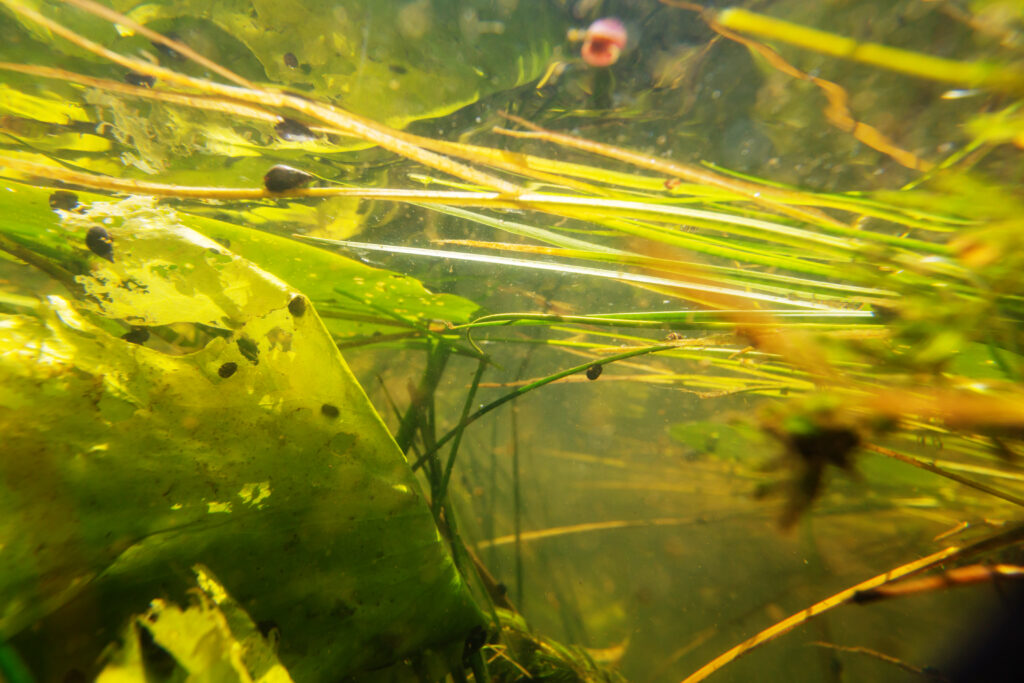
Algae is a natural part of aquatic environments, but excessive growth can affect the appearance and balance of an aquarium.
Common forms include:
- Green spot algae.
- Green water.
- Hair algae.
- Brown diatom algae.
- Blue-green cyanobacteria, which is technically bacteria rather than algae.
Effective algae management involves identifying the underlying cause rather than simply removing visible growth.
Important factors include lighting duration, nutrient availability, plant health, circulation and maintenance routines.
Aquarium glass should be cleaned using suitable aquarium-safe tools, while excessive lighting and overfeeding should be avoided.
7. Aquatic Plant Health and Water Management
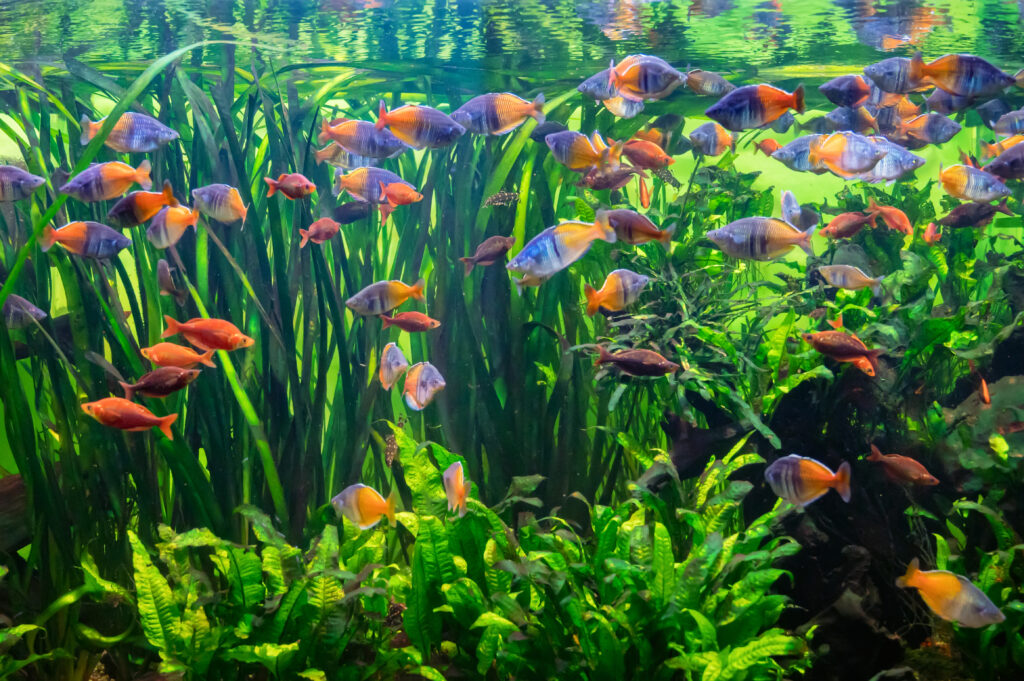
Aquatic plants play an important role in many freshwater aquariums.
Healthy plants can absorb nutrients, provide shelter for fish and contribute to the overall appearance of the aquascape.
However, plants also require appropriate lighting, nutrients and, depending on the species, carbon dioxide availability.
A plant maintenance programme should include:
- Removing damaged and decaying leaves.
- Trimming overgrown plants.
- Monitoring plant growth.
- Maintaining suitable lighting.
- Checking nutrient availability.
- Monitoring algae development.
- Maintaining suitable water circulation.
A balanced planted aquarium can contribute to a healthier and more attractive aquatic environment.
8. Aquassi Ltd – Aquarium Maintenance Case Study

Project overview
This illustrative case study demonstrates a structured approach to maintaining an established tropical freshwater community aquarium.
The objective was to develop a consistent maintenance programme focused on improving water management, maintaining filtration efficiency and supporting healthy aquatic life.
Initial observations
The aquarium was assessed for water clarity, filtration, substrate condition, plant growth, algae development and fish behaviour.
Water testing was identified as a priority to establish the aquarium’s actual water quality rather than relying on visual appearance.
Maintenance undertaken
The proposed maintenance programme included:
- Testing ammonia, nitrite, nitrate and pH.
- Checking temperature and water stability.
- Carrying out appropriate partial water changes.
- Removing accumulated substrate debris.
- Cleaning aquarium glass.
- Removing decaying plant material.
- Inspecting filtration and water circulation.
- Checking filter media condition.
- Reviewing feeding quantities.
- Monitoring fish health.
Results and expected improvements
The programme was designed to support:
- More consistent water quality.
- Effective biological filtration.
- Reduced organic waste accumulation.
- Improved aquarium presentation.
- Healthier aquatic plants.
- A stable environment for community fish.
- Better long-term aquarium management.
This is an illustrative case study describing a recommended maintenance approach, not a verified customer project or measured before-and-after result.
9. Recommended Aquarium Maintenance Schedule
A structured schedule helps prevent small problems from developing into larger aquarium health issues.
| Frequency | Maintenance task |
|---|---|
| Daily | Observe fish, check temperature and equipment |
| Weekly | Test water, perform appropriate water changes |
| Weekly | Clean glass and remove visible debris |
| Weekly | Inspect plants and remove dead leaves |
| Fortnightly | Review substrate condition and algae |
| Monthly | Inspect filter flow and mechanical media |
| Monthly | Review water test records and aquarium condition |
| As required | Trim plants and carry out additional cleaning |
Filter servicing should be based on actual condition and flow rather than a fixed calendar alone.
10. Professional Aquarium Maintenance with Aquassi Ltd
At Aquassi Ltd, we believe that maintaining an aquarium should be approached with care, knowledge and consistency.
Whether you have a small tropical aquarium, a planted community aquarium or a large bespoke aquascape, water quality and maintenance are essential to its long-term success.
Our aquarium care philosophy focuses on:
Water Quality Management – Understanding and monitoring the water conditions that support aquatic life.
Regular Maintenance – Keeping aquariums clean, balanced and presentable.
Filtration Management – Supporting the biological filtration system and maintaining suitable water circulation.
Aquatic Plant Care – Maintaining healthy plants and attractive aquascapes.
Fish Welfare – Supporting healthy fish through suitable stocking, nutrition and stable environmental conditions.
Long-Term Aquarium Care – Establishing maintenance routines that help protect the aquarium investment.
Conclusion
Good aquarium water quality does not happen by accident. It is achieved through regular monitoring, appropriate water changes, effective filtration and responsible maintenance.
A well-managed freshwater aquarium provides a more stable environment for fish, encourages healthy plant growth and creates a beautiful aquatic display.
At Aquassi Ltd, we understand that the secret to a successful aquarium is not simply how it looks on installation day, but how well it is maintained over time.
Aquassi Ltd – Beautiful Aquariums. Excellent Water Quality. Healthier Aquatic Environments.
Visit www.aquassi.co.uk to explore our aquascaping services, aquarium products and fishkeeping guides.
