
1. Introduction
This case study looks at the care requirements of a Betta fish and demonstrates how the correct aquarium setup, water quality, feeding routine and environment can make a significant difference to the health and wellbeing of this popular freshwater species.
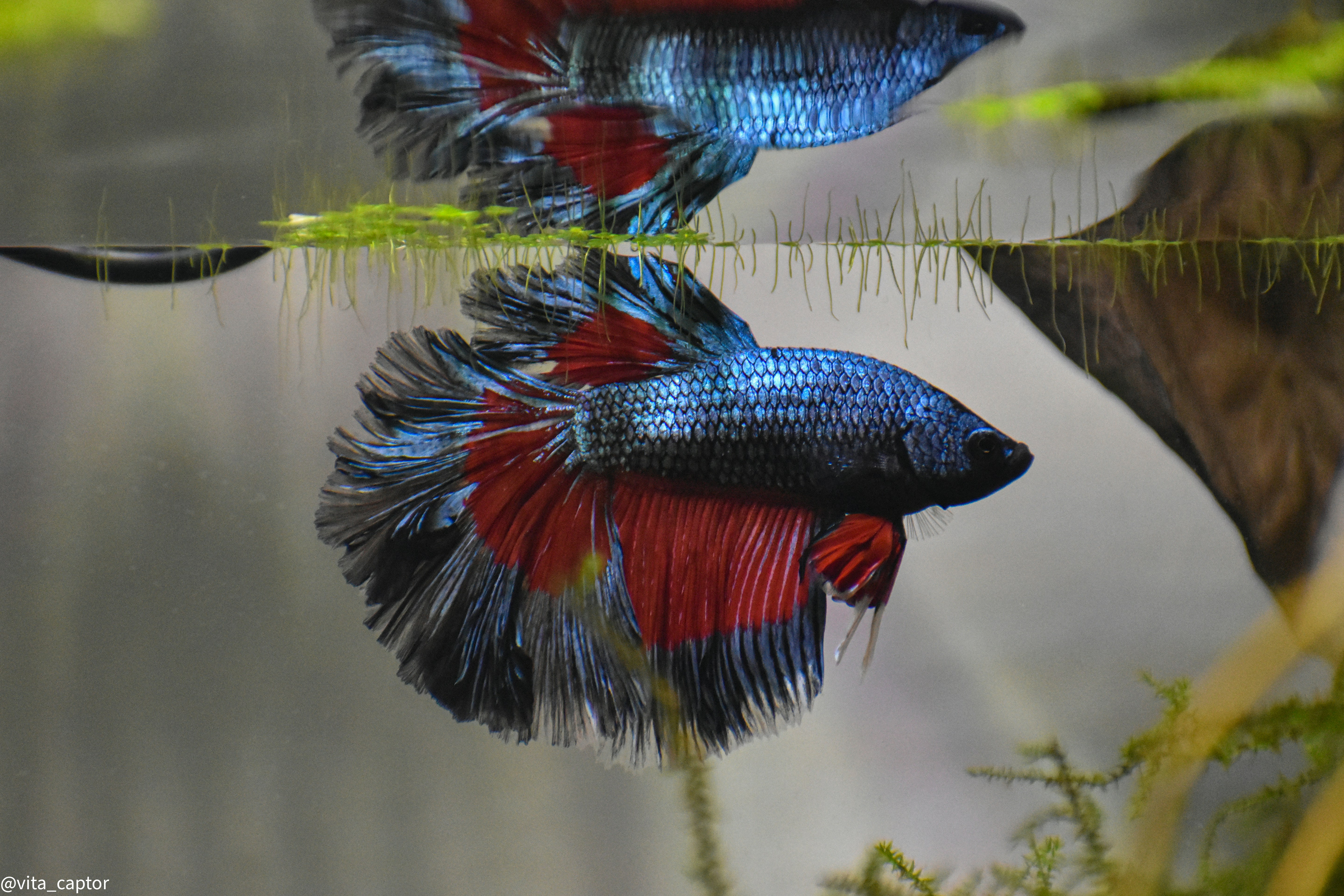
Betta fish, commonly known as Siamese fighting fish, are often sold as beginner-friendly fish because they can survive in relatively small amounts of water. However, surviving is very different from thriving. A properly maintained aquarium gives a Betta the opportunity to display natural behaviours, maintain good health and live a considerably better quality of life.
2. The Aquarium Setup
For this case study, the Betta was provided with a suitably sized, fully cycled freshwater aquarium containing a gentle filtration system, heater, aquarium substrate, plants and sheltered areas.
The aquarium was positioned away from direct sunlight and sources of excessive noise or vibration. A secure lid was also used because Bettas are capable of jumping from open aquariums.
Live or soft artificial plants were included to provide cover and resting areas. Bettas particularly benefit from having places where they can retreat when they want to rest or feel threatened.
3. Water Conditions
Maintaining stable water quality was one of the most important parts of the care routine.
The aquarium was regularly tested for ammonia, nitrite and nitrate. Ammonia and nitrite should remain at zero in a properly established aquarium, while nitrate should be kept at a low level through regular maintenance and water changes.
Partial water changes were carried out rather than completely replacing the aquarium water. New water was treated with an appropriate aquarium water conditioner before being added to the tank.
Water temperature was also monitored using an aquarium thermometer. Bettas are tropical fish and require warm, stable conditions rather than significant temperature fluctuations.
4. Feeding Routine
The Betta was fed a high-quality Betta-specific food in small quantities. Feeding was carefully controlled because overfeeding is one of the most common problems associated with aquarium fish.
Only enough food to be consumed quickly was provided, with uneaten food removed where necessary. A varied diet can also be beneficial, provided foods are appropriate for the species and portions remain controlled.
The fish was observed during feeding to ensure it remained interested in food and was able to eat normally.
5. Behaviour Monitoring
Daily observation formed an important part of the case study.
The Betta was monitored for changes in swimming behaviour, appetite, posture, colouration and interaction with its surroundings. Healthy behaviour included active swimming, normal exploration of the aquarium and regular use of resting areas.
Signs that could indicate a problem included prolonged hiding, loss of appetite, unusual swimming, clamped fins, rapid breathing, damaged fins or significant changes in appearance.
Early identification of unusual behaviour can allow aquarium keepers to investigate water quality or other environmental problems before they become more serious.
6. Aquarium Maintenance
Routine maintenance was kept simple and consistent.
The glass was cleaned when necessary, water parameters were tested regularly and partial water changes were carried out as required. Filter media was maintained carefully without unnecessarily destroying beneficial bacteria.
Plants and decorations were also checked to ensure they remained safe and did not have sharp edges that could damage the Betta’s delicate fins.
7. Results
Following the introduction of the improved care routine, the Betta demonstrated active swimming, a good appetite and increased interest in exploring its environment.
The fish regularly used plants and sheltered areas and showed normal feeding behaviour. Stable water parameters and a consistent temperature helped create a more reliable environment.
The case demonstrated that Betta care is not simply about keeping a fish alive in a container. Providing appropriate space, filtration, heating, water quality, nutrition and environmental enrichment is essential for responsible ownership.
8. Conclusion
This case study highlights the importance of taking a complete approach to Betta fish care. Although Bettas are relatively hardy fish, they still require suitable environmental conditions and consistent maintenance.
A well-planned aquarium, stable water conditions, appropriate feeding and regular observation can significantly improve the welfare of a Betta fish.
For new fishkeepers, the most important lesson is to focus on the aquarium environment rather than simply the fish itself. Good preparation and regular maintenance provide the foundation for a healthy and thriving Betta.